Name
Apollo 11 (1969)
Description
The first successful crewed mission to land on the Moon.
Achievement
Neil Armstrong became the first human to walk on the Moon.
Fun Fact
The lunar module had less computing power than today’s phones.

Explore humanity's journey through space exploration. From the first satellite launches to future missions to Mars and beyond.
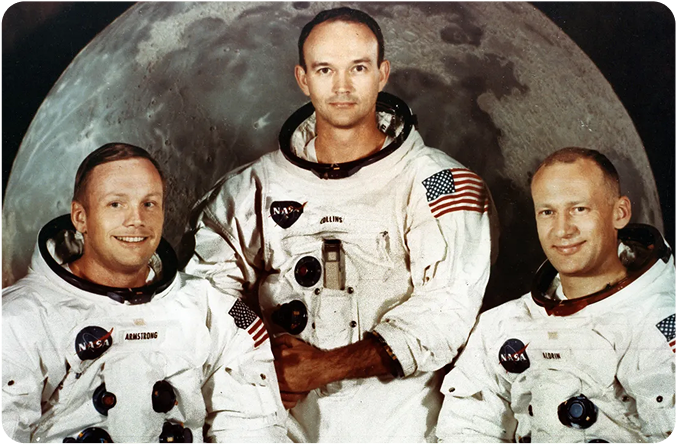
Apollo 11 (1969)
The first successful crewed mission to land on the Moon.
Neil Armstrong became the first human to walk on the Moon.
The lunar module had less computing power than today’s phones.
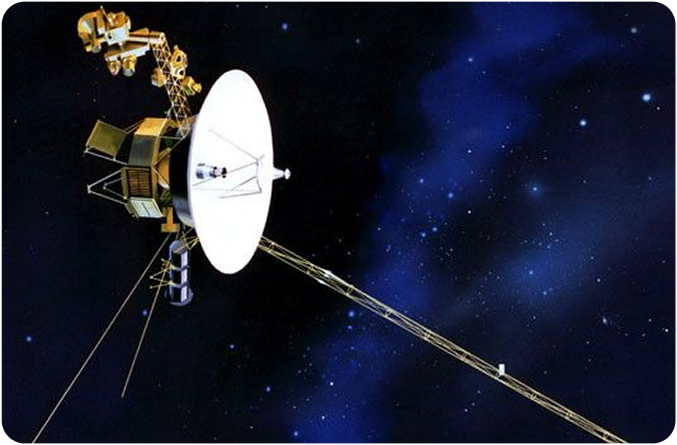
Voyager (1977)
Twin spacecraft launched to explore the outer planets of our solar system
Voyager 1 became the first human-made object to enter interstellar space.
The spacecraft carries the Golden Record with sounds and images from Earth.
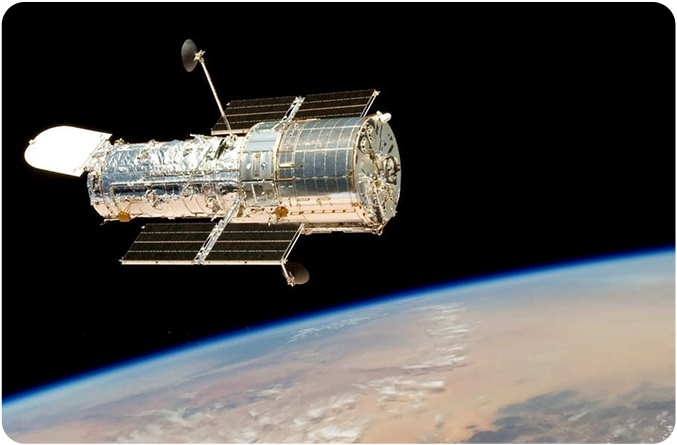
Hubble Space Telescope (1990)
A space-based observatory providing detailed images of distant galaxies, stars, and nebulae.
Revolutionized our understanding of the universe and its expansion.
It orbits Earth every 97 minutes at a speed of 27,000 km/h
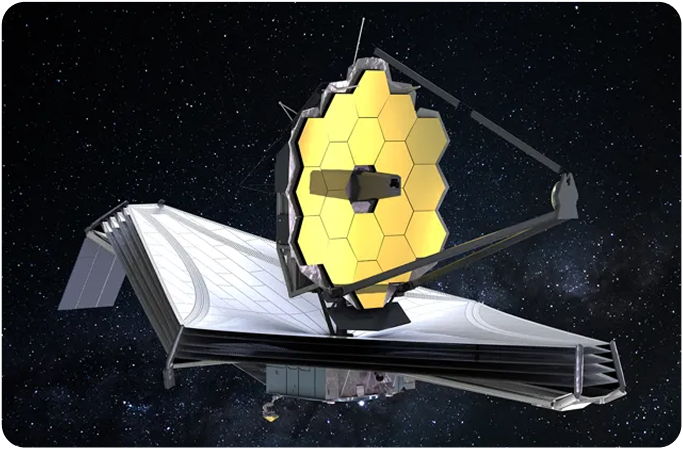
James Webb Space Telescope (2021)
The most powerful space telescope ever built, studying the early universe.
Captures light from the first galaxies formed after the Big Bang
Its mirror is 6.5 meters wide — over twice the size of Hubble’s
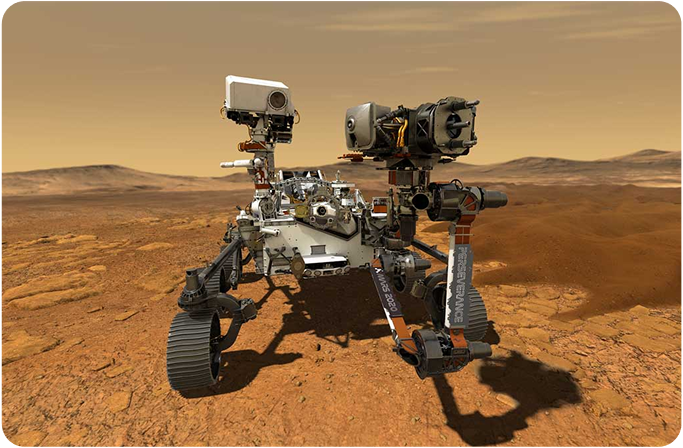
Perseverance Rover (2021)
A robotic rover exploring Mars to search for signs of ancient life
Successfully collected rock samples for future return to Earth
It carries a small helicopter named Ingenuity, which achieved the first powered flight on another planet.
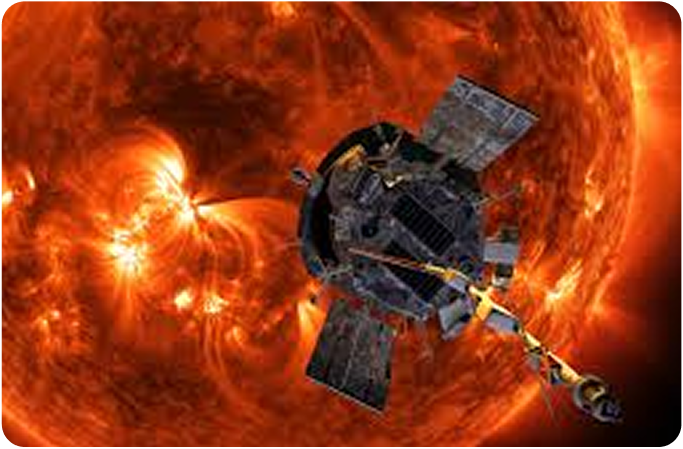
Parker Solar Probe (2018)
A NASA spacecraft studying the Sun’s outer atmosphere
Came closer to the Sun than any spacecraft in history
It travels at speeds over 690,000 km/h — the fastest human-made object ever.
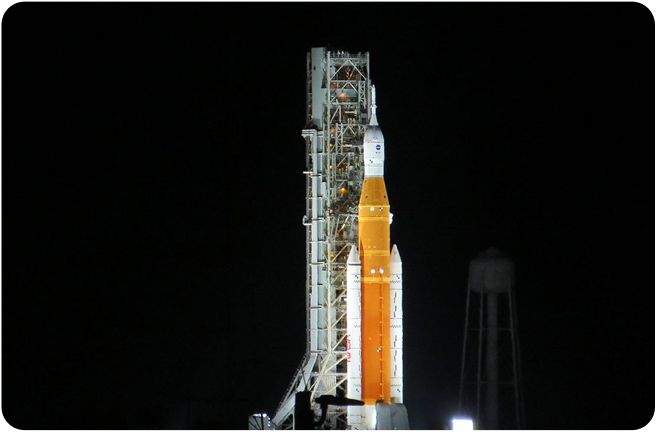
Artemis Program (2026)
NASA’s mission to return humans to the Moon, including the first woman and person of color.
Establish a sustainable lunar base for future Mars missions
The program’s name comes from the Greek goddess of the Moon
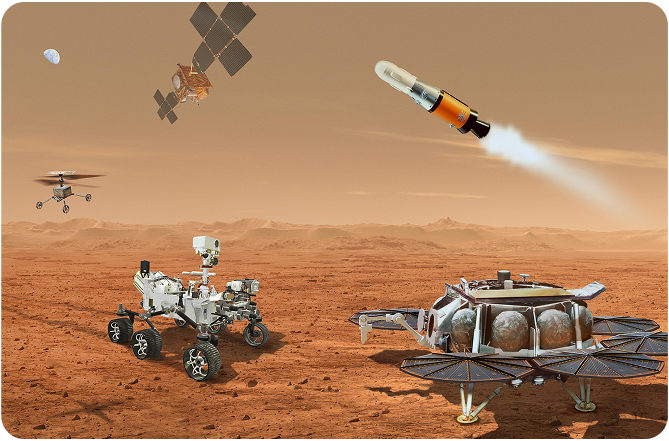
Mars Sample Return (2030s)
A joint NASA–ESA mission to bring Martian rock samples back to Earth
Analyze soil to uncover Mars’ geological history and signs of life
It will be the first-ever round trip between Earth and Mars
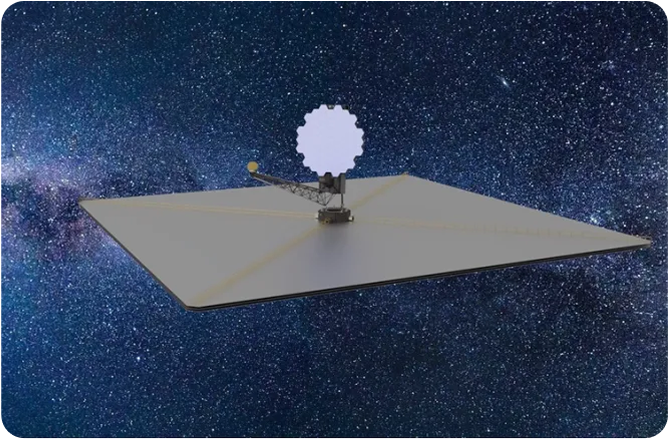
LUVOIR Telescope (2040)
A proposed large space telescope to study distant exoplanets and search for life.
Observe Earth-like planets and analyze their atmospheres
Its mirror will be nearly 15 meters wide — more than twice that of the James Webb.